Wildlife Culture And Human Connection
Human curiosity toward nature has never faded, it has only evolved into deeper, more structured understanding. Today, discussions about animals are no longer limited to observation, they extend into behavior, ethics, and cultural meaning. This evolving awareness shapes how societies interpret the natural world and their place within it.
In modern academic and ecological discussions, wildlife culture interaction studies have become a central framework for analyzing how humans and animals influence each other across environments, cultures, and generations.
Wildlife Culture And Human Connection In Modern Society
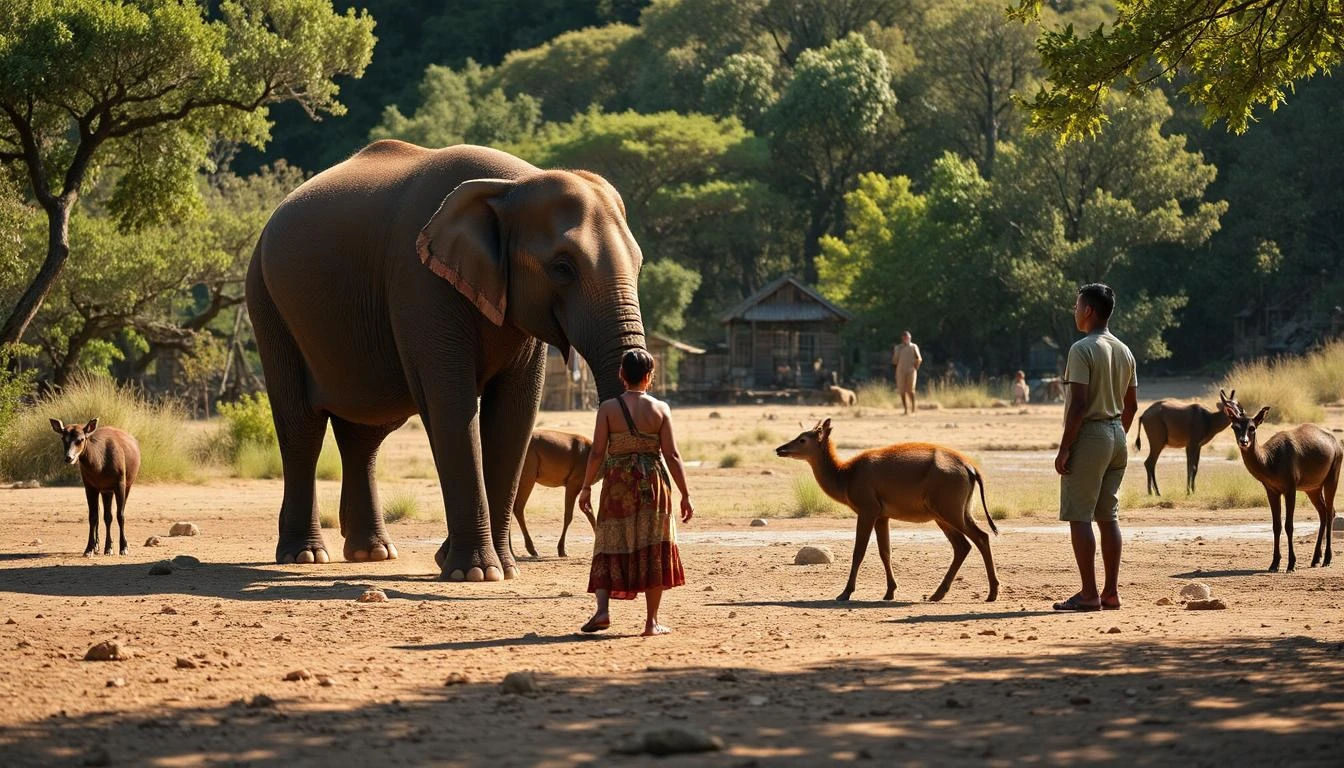
The relationship between humans and wildlife today feels more complex than ever, shaped by urban expansion, climate change, and shifting cultural values. Yet, beneath all that complexity lies a simple truth, humans and animals are deeply interconnected in ways that continue to surprise researchers.
Across modern ecosystems, the study of coexistence is no longer optional but essential. It guides how we think about survival, adaptation, and shared space in an increasingly crowded planet. The field of human wildlife connection insights helps explain how emotional, behavioral, and ecological relationships between humans and animals influence conservation attitudes worldwide.
Historical relationship between humans and wildlife
Human history has always been intertwined with animals, sometimes as companions, sometimes as symbols of fear or power. Early civilizations recorded these connections through cave art, oral traditions, and mythology, showing that wildlife has always shaped human identity.
Cultural significance of animals in different regions
Animals hold symbolic meaning across cultures, from spiritual guardians to national emblems. These meanings influence how communities protect or interact with species, revealing that conservation is not only scientific but also deeply cultural.
Ethical considerations in wildlife interaction
Ethical awareness has shifted dramatically in recent decades. The focus is now on minimizing harm, respecting natural behavior, and creating sustainable coexistence models that benefit both ecosystems and human societies. As conservation biologist Sylvia Earle once stated, “No water, no life. No blue, no green.” Her words reflect how interconnected all life truly is, reinforcing the importance of balanced ecological respect.
Understanding Wildlife Behavior And Ecosystems
Nature operates through intricate systems that are constantly adapting, responding, and evolving. Understanding these systems requires patience, observation, and a willingness to see patterns that are not always visible at first glance.
Wildlife ecosystems function like living networks where every species plays a role, no matter how small or hidden it may seem. The concept of wildlife culture interaction studies also extends into ecosystem science, helping researchers understand how human activity alters natural behavioral cycles.
Animal migration and survival patterns
Migration is one of nature’s most precise survival strategies. Animals move across continents driven by instinct, seasonal change, and resource availability, forming patterns that have existed long before human tracking systems.
Human impact on wildlife habitats
Human development has reshaped landscapes across the globe. While it brings progress, it also fragments habitats and forces wildlife into new survival strategies, often increasing conflict between species and humans.
Conservation efforts and biodiversity protection
Conservation is no longer a passive effort, it is an active global responsibility. Protected areas, wildlife corridors, and rewilding projects are now central to maintaining biodiversity balance. Ecologist David Attenborough once noted, “We are the first generation to know we are destroying the planet and the last that can do anything about it.” This statement continues to influence environmental awareness worldwide.
Strengthening Human Wildlife Relationships
Building stronger relationships between humans and wildlife begins with awareness, but it grows through action, education, and shared responsibility. The future of coexistence depends on how well societies integrate these values into daily life. The ongoing development of human wildlife connection insights continues to reshape education systems, tourism industries, and conservation strategies globally.
Responsible tourism and observation practices
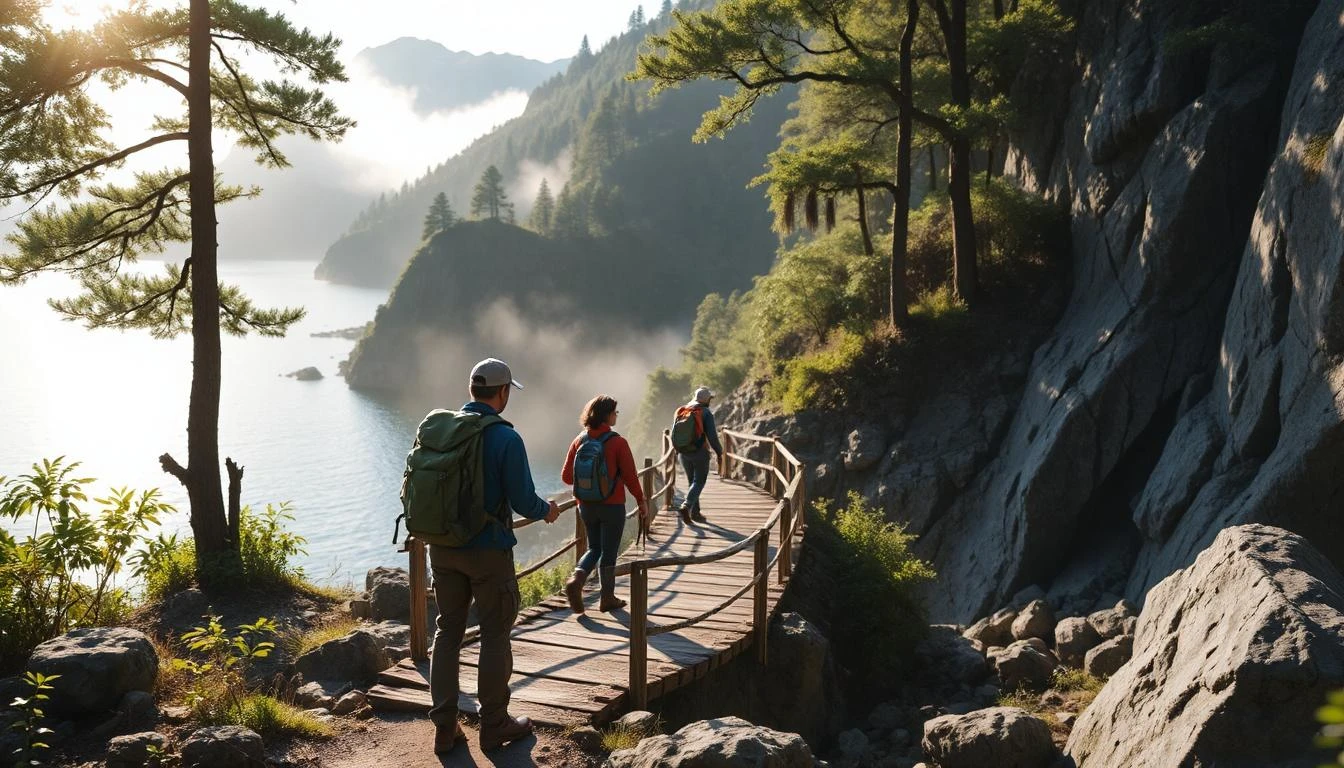
Responsible tourism encourages people to experience wildlife without disturbing natural behavior. This approach supports ecosystems while still allowing meaningful human-nature interaction.
Education through wildlife documentaries
Documentaries play a powerful role in shaping public perception. They bring distant ecosystems into living rooms, transforming curiosity into empathy and awareness into action.
Community involvement in conservation programs
Local communities are often the strongest defenders of biodiversity. Their participation ensures conservation efforts are culturally relevant, sustainable, and long-lasting. In many regions, community-led conservation has proven more effective than external intervention alone, showing that local knowledge is essential for ecological success.
Connect With Wildlife And Support Conservation Efforts Today
Wildlife conservation is not a distant responsibility, it is a shared global journey. Every decision, from consumption habits to travel choices, influences ecological balance in subtle but significant ways.
The study of wildlife culture interaction studies continues to reveal that human progress and environmental protection are not opposing forces, but interconnected goals that must evolve together. When people begin to understand ecosystems not as separate from humanity but as extensions of it, meaningful change becomes possible. This shift in perception is what drives sustainable futures.